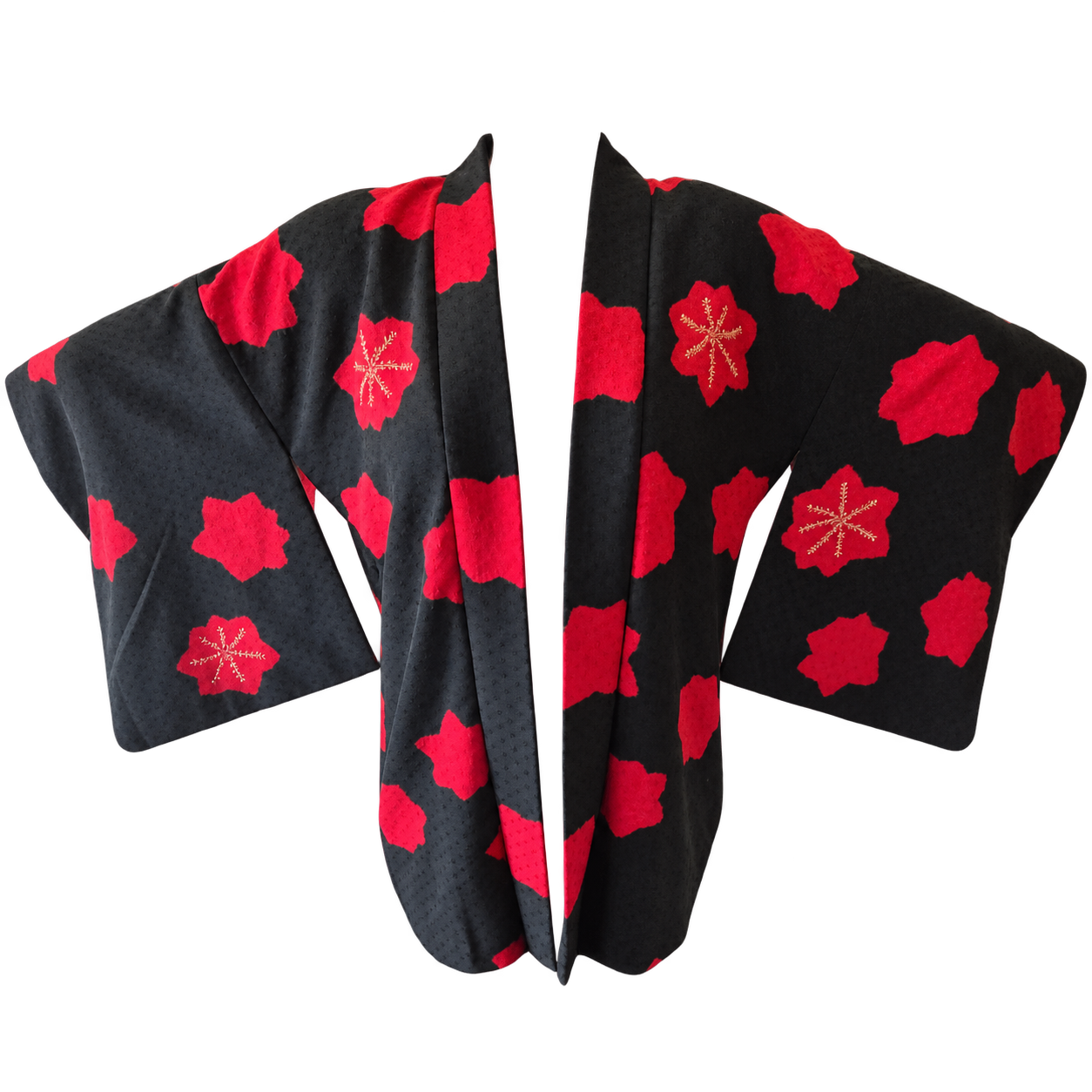
It began with 23 garments.
MATOU began with 23 vintage kimono and haori brought from Japan to New York.
Each piece was selected in Japan. The aim was to find new wearers for existing garments, and to share the history held in their cloth.

Silk and handwork.
Our selection includes 100% silk haori and pieces from the Taishō era (1912–1926). Traditional kimono making can involve months of handwork, from dyeing and embroidery to sewing.
We look at the fabric, construction and condition of each garment. A date or technique belongs to a particular piece; we share it where it can be identified.
A pattern has a history.
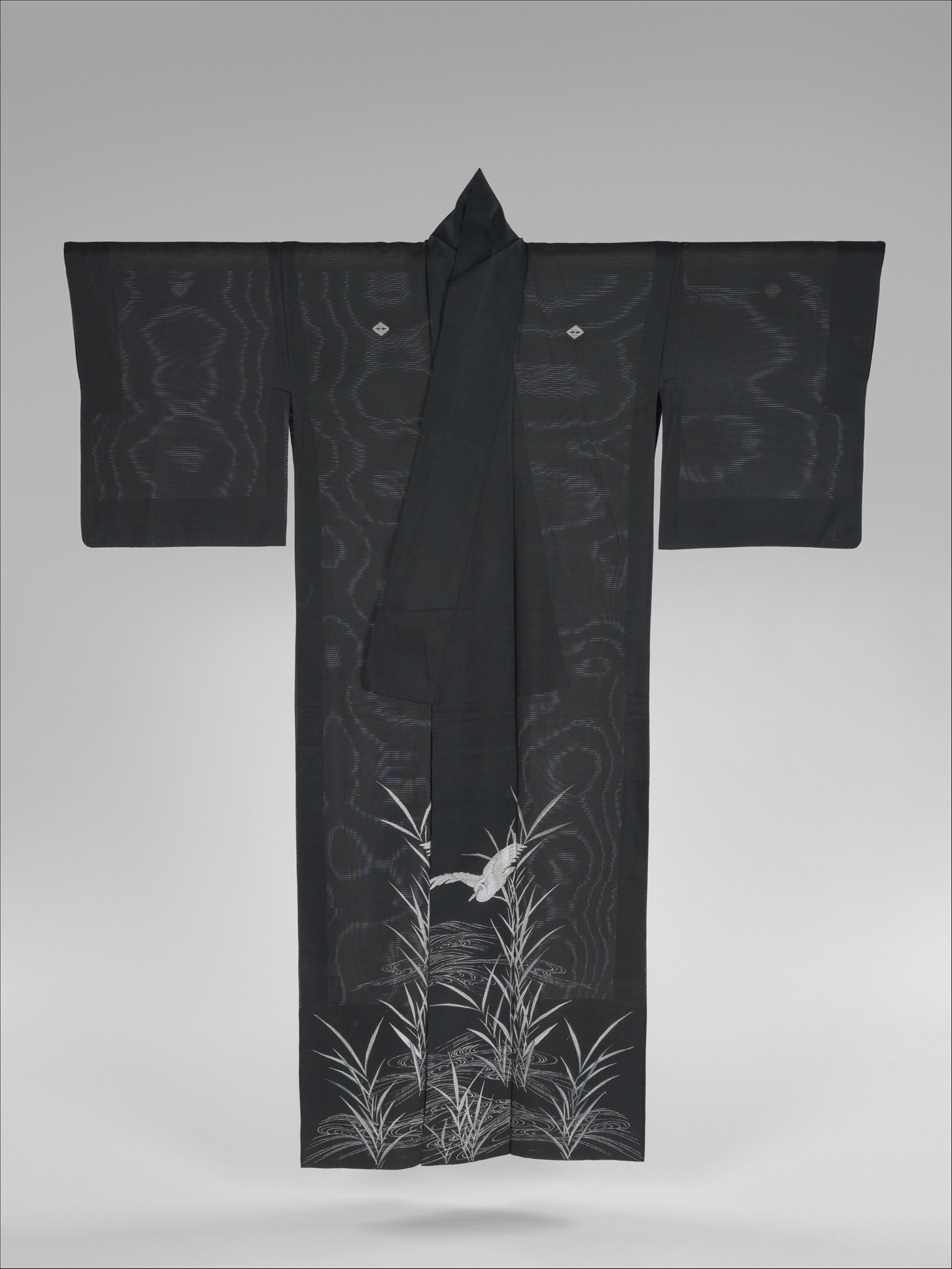
A wave and a flower bud are not simply “Japanese patterns.” Each can carry a different meaning, season or expression.
The alternating check now called ichimatsu has a much older history. A Saitama excavation report identifies possible checks on late-Kofun haniwa clothing. An eighth-century Shōsōin textile also has a checked ground. The pattern has a visual history of more than 1,000 years; the name came later.
Pattern references: Saitama excavation report; Kyushu National Museum catalogue.
Where it came from matters.
Shapes and patterns are easy to reproduce. A garment’s provenance—where it came from, how it was made and what can be documented—cannot be copied with its pattern.
This is the basis of MATOU. We handle the garment and its history together, including the details we can establish and the questions that remain.
A haori in New York.
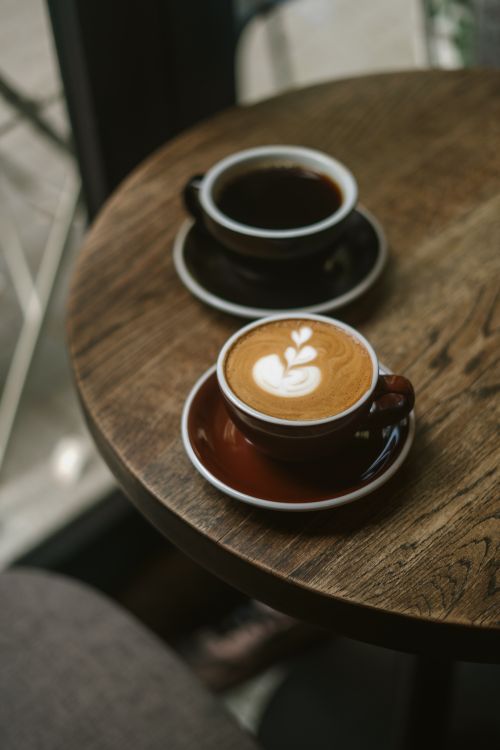
Imagine a hundred-year-old haori over jeans and a T-shirt, out for coffee in New York. It can be part of an ordinary day, with its age and character still visible.
A perfume can bring another place to mind in a moment. Learning the background of a garment can offer a small journey too—through the cloth you choose to wear.
Wholesale &
stockist inquiries.
For current availability, garment details or a conversation about carrying MATOU in your store, contact MATOU.
Message @matou_japan